Introduction
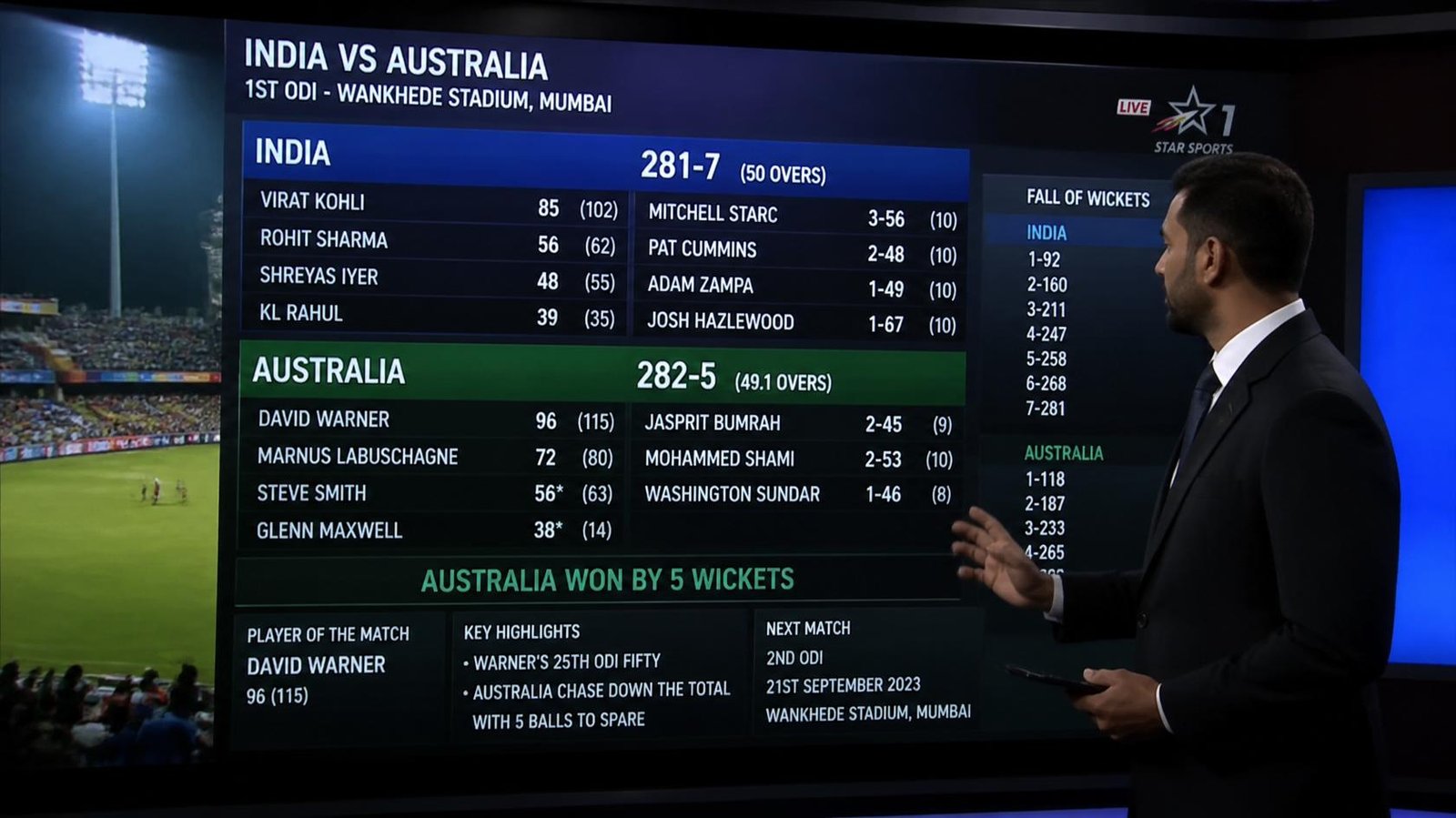
Every delivery shapes what comes next in a cricket match report that walks through events from start to finish. Batting figures appear alongside bursts of bowling, catches taken, runs saved, and moments when control shifts hands. Instead of just listing stats, it follows the rhythm of play between India and another top-tier team on equal footing. Phases unfold step by step – how players link up during stands, when pressure builds, who adjusts tactics mid-innings. Details stack quietly without flash, showing choices made under changing skies and scoreboard demands. Structure keeps thoughts grounded while tracking each twist as if watching live.
A ball rolls, then silence grips the field. Each delivery shapes tension, slowly tilting balance one way or another. Not flashes of brilliance but steady shifts decide what happens later. The innings unfold like quiet calculations, not shouts. What looks calm hides constant adjustment. Momentum slips, returns, never stays put. Patience becomes weapon without showing its edge.
Match Start and Toss Phase
Out of nowhere, the game kicks off with a coin flip – strange how such a small moment shapes what follows. Depending on how the field looks, whoever wins that flip gets first say on whether to take strike or send it down.
After the toss:
- Lineups get locked in by squads
- Field placements are arranged
- Bowlers prepare opening spells
- The lineup has been locked in
Who wins the coin flip usually sets the pace right away. How that moment plays out shapes what happens next.
Opening Overs Phase
Right from the start, those early overs set how things will go. With a shiny ball, bowlers try to make it swing or seam off the pitch. Batters aren’t looking to dominate – just stay in, watch closely, and shift the scoring when possible.
Batting side approach:
- Defensive stroke play
- Leaving deliveries outside off stump
- Taking singles for rotation
Bowling side approach:
- Tight line and length
- Off stump targeting
- Dot ball pressure creation
Batsmen hold back their shots early on, settling into the game’s rhythm. Each side tests how the ball behaves under changing skies.
Early Wickets Create Pressure
Out front, loose deliveries tend to spark dismissal opportunities. With rhythm in their stride, bowlers push batsmen into errors by maintaining tight lines.
When a wicket falls:
- Fielding side becomes more attacking
- New batter faces pressure immediately
- Bowling intensity increases
Early in the game, how things unfold here can set the pace. Momentum tends to build right from this point onward.
Partnership Building Phase
When the start goes wrong, with quick wickets falling, putting together a stand matters more. Rebuilding what fell apart is where batters turn their attention.
Batting actions:
- Strike rotation
- Controlled shot selection
- Communication between batters
Bowling response:
- Field adjustments
- Bowling rotation
- Introduction of spin or variation
Teammates sharing the load ease tension while holding the game steady through tough stretches.
Middle Overs Phase
Out here, bowlers shift around while fields tweak positions. Instead of pace, spin tends to take charge more often than not.
Batting focus:
- Maintaining strike rotation
- Avoiding risky strokes
- Building long partnerships
Bowling focus:
- Spin pressure creation
- Slowing scoring rate
- Targeting defensive gaps
Here things either hold together or drift apart. The path forward shows itself through small shifts.
Spin Bowling Phase
Slower deliveries disrupt timing, yet they open gaps in defense. A well-tossed break creates hesitation just before the swing.
Bowling strategy includes:
- Flight variation
- Slower deliveries
- Off stump control
Batting response includes:
- Defensive blocks
- Strike rotation
- Controlled attacking shots
Most times, it’s patience that wins – spin tightens the screws slowly. A single breakthrough might wait, yet the weight grows with every over.
Batting Control Phase
Staying put for ages builds timing – partners who hold firm make it click. A steady stand lifts the rhythm, slowly shaping dominance without flash.
Key elements:
- Reduced wicket loss
- Consistent scoring flow
- Controlled shot selection
Batting steady gives some squads a firmer grip on how games unfold.
Bowling Performance Phase
Timing your wickets matters just as much as keeping the ball on target. A bowler’s real edge shows when deliveries land right where they should – just before a batter stumbles into trouble.
Bowling actions:
- Line and length consistency
- Pressure through dot balls
- Creating wicket opportunities
Bowling shapes how games move forward, even when no one is dismissed. A steady line keeps pressure on without needing breakthroughs.
Fielding Contribution Phase
Out on the pitch, fielding lifts the bowlers’ game while soaking up tension during tight moments.
Fielding actions include:
- Catch opportunities
- Boundary saving stops
- Run-out chances
Small fielding actions often change momentum.
Momentum Shift Phase
Back and forth it swings, now one side ahead, then suddenly the other. Shifts happen fast when tempers flare or luck turns sideways. A single play flips everything upside down again near the end.
It shifts when:
- Wickets fall
- Partnerships form
- Bowling spells dominate
What shifts in cricket isn’t steady – it bends when players rise or fall. A single over can tilt what felt certain moments before.
Acceleration Phase
Beyond the early overs, hitters push the pace. Scoring climbs once settled at the crease. As confidence builds, boundaries come more often. After cautious beginnings, runs flow faster. Once timing clicks, strokeplay grows bolder.
Batting actions:
- Boundary attempts
- Faster strike rotation
- Risk-based shots
Bowling response:
- Slower deliveries
- Wide yorkers
- Defensive field setup
This phase increases total score impact.
Final Overs Phase
Last few overs matter a lot when games have fewer than fifty overs per side, while late stretches shape outcomes in five-day contests.
Batting side aims:
- Maximize scoring
- Avoid collapse
- Use remaining deliveries
Bowling side aims:
- Take wickets
- Control runs
- Apply pressure balls
What happens now tends to shape how things turn out later. Sometimes it’s quiet moments that decide everything.
Match Highlights Summary
Daily highlights include:
- Opening overs performance
- Key wickets
- Best partnerships
- Bowling spells
- Final overs action
Watch these moments to see how the game moved. A few seconds show where things shifted. Each snippet captures a turning point without slowing down. See who pushed when it mattered.
Tactical Analysis
Teams use structured strategies during match.
Batting strategy:
- Build partnerships
- Play safe early
- Attack later stages
Bowling strategy:
- Maintain tight lines
- Use spin variation
- Create wicket pressure
Captains adjust plans based on match situation.
Performance Review
How well players do gets checked by looking at specific actions during games
- Batting consistency
- Bowling effectiveness
- Fielding impact
- Decision making
Most of the time, doing well everywhere adds up to stronger outcomes.
Detailed Match Flow Summary
A detailed cricket match report shows how control moves between teams through:
- Early bowling pressure
- Partnership recovery
- Middle overs balance
- Late scoring phase
Out front, India’s batters stick to clear roles, building runs through steady links between players. Meanwhile, rival sides bank on tight deliveries, looking to break stumps at key moments.
Conclusion
A ball-by-ball account unpacks what happens when players step onto the pitch. As overs unfold, runs stack through timing and placement instead of brute force. One session shifts momentum after a wicket falls unexpectedly early. Pressure builds quietly during quiet spells between boundaries. A captain adjusts positioning based on how light changes near hour five. Each delivery adds texture beyond mere scorelines. Outcomes emerge not from single acts but linked choices made under heat.