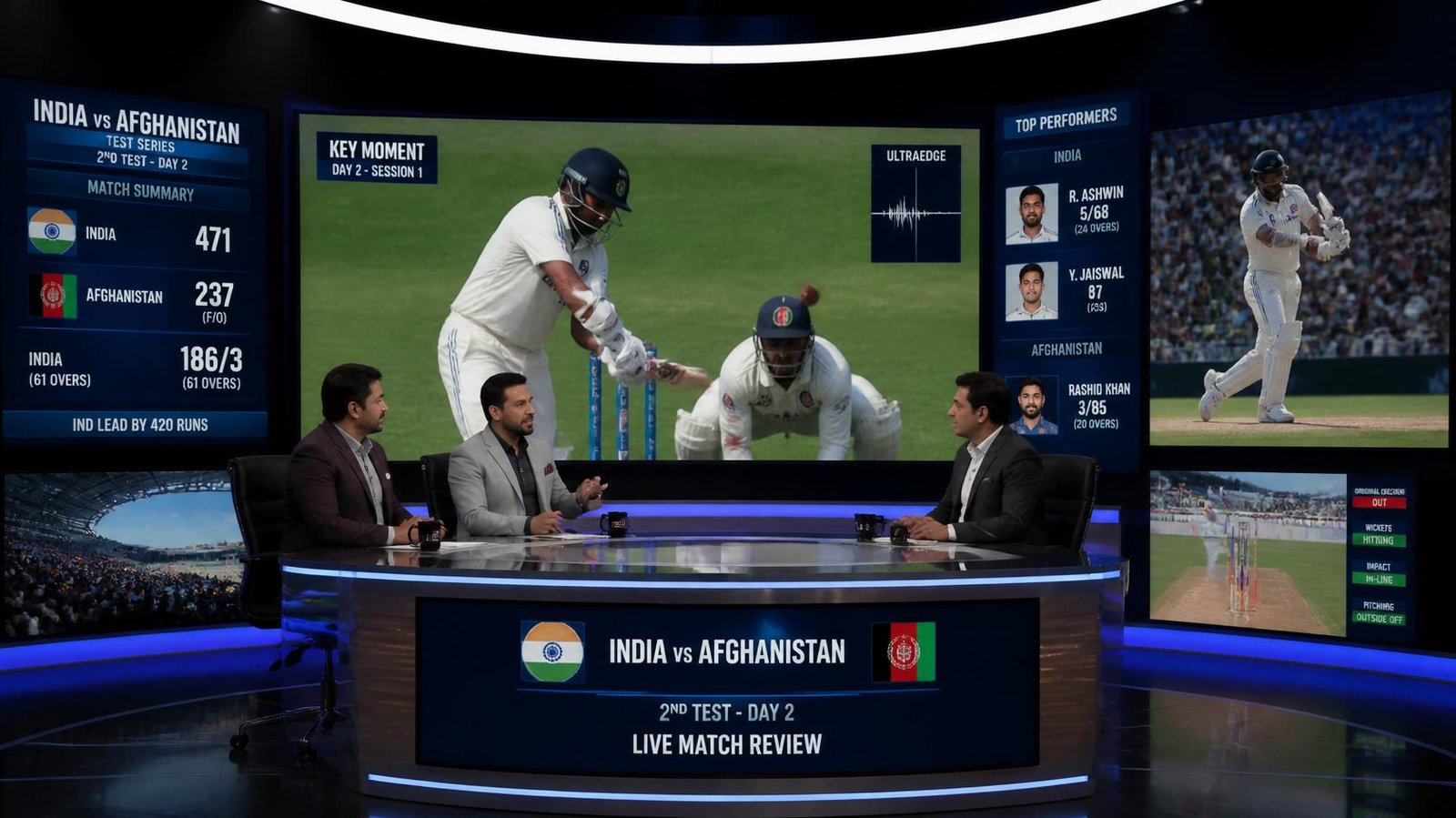
Introduction
A clash of these two teams sets up a slow-burning battle shaped by patience, rhythm, and shifting momentum. From the opening delivery onward, each session unfolds with its own pulse – batting stretches into hours, bowlers probe for cracks, fields adjust like chess pieces. Moments rise through duos at the crease who stitch together runs without flash or fanfare. How gloves grip the ball, how feet move in the field, when to hold back or push forward – all ripple through the outcome. Every choice, seen and unseen, threads into the story drawn from pitch marks and sweat.
Patience shapes test cricket more than quick runs ever could. Built through long spells standing at the wicket, adapting again after each bowling shift, handling tension that builds slowly. Instead of focusing on isolated plays, this analysis splits the game into segments – making it easier to grasp while also fitting search-friendly formats naturally.
Toss And Match Prep Starts
Began with the coin flip – winner picked batting right away. He wanted runs up front, working the fresh pitch while it played fair. Once that edge fades, everything shifts.
Heads or tails decided it. That moment set what each side would do next, moving pieces into place without delay
India focused on:
- Long batting partnerships
- Controlled shot selection
- Reducing early wicket loss
Afghanistan focused on:
- Early breakthroughs
- Tight bowling lines
- Field pressure creation
Out there, fielders took their spots near the edge, ready to pounce. Fast men had sharp angles to work with, close-in helpers waiting. Each squad moved in step, knowing who does what. Roles locked early, no confusion when play started.
Opening Overs Phase
Out wide near the off stump, that is where the Afghan bowlers aimed right away. Early movement came from the fresh cherry, making things tight for the hitters. How a session unfolds often comes down to these initial moments. Pressure built quickly because of sharp lines and consistent spots.
India’s opening batters focused on:
- Leaving balls outside off stump
- Playing straight bat defensive shots
- Taking singles for strike rotation
Afghanistan bowlers focused on:
- Consistent off stump line
- Dot ball pressure creation
- Field support in catching positions
Nothing much changed on the scoreboard here. Each team cared more about keeping things steady than pushing faster. Control mattered most.
Early Pressure Phase
Out of the gate, tight deliveries cranked up tension. That stretch demanded cool heads from batters, steady lines from bowlers.
If a batter made a mistake:
- Catch chances were created
- Fielding side became more aggressive
- Bowling intensity increased
Right from the start, how things unfold really shapes what comes next. Survival first – that was India’s way through those early moments, moving steadily rather than chasing big hits.
Opening Partnership Development
Later on, though, India found their rhythm through a steady start at the crease. That stretch loosened the bowlers’ grip while settling the flow of runs.
Batting approach included:
- Strike rotation through singles
- Ground-based scoring
- Reduced risky shots
Bowling response included:
- Field adjustments
- Bowling rotation
- Early spin introduction
Out of nowhere, stability began taking shape for India thanks to that alliance, cutting down the chance of losing quick wickets. Then again, fewer early dismissals started showing up on the scoreboard.
First Wicket Phase
A ball earlier, the bowler had held line just outside off. That moment led directly to the edge flying wide. Out stepped the batter, trapped by patience more than pace. The breakthrough followed quiet accumulation of tight dots. Not luck – just steady lines wearing resistance down.
After the wicket:
- New batter entered
- Field became more attacking
- Bowlers increased pressure
Out of the wreckage, India faced a quiet test – could old bones hold new weight? Not every crack healed fast. Some parts stayed weak on purpose. What came next leaned on patience more than force. Strength showed up slow, not loud.
Recovery Partnership Phase
Out of nowhere, India started rebuilding right after the opener fell. That stretch quietly changed how steady their batting looked.
Batting actions:
- Controlled strike rotation
- Defensive shot selection
- Reduced risk approach
Bowling side attempted to break partnership through:
- Line variation
- Spin bowling
- Field pressure setup
Still, India held steady, stopping any breakdown.
Middle Overs Phase
Out of nowhere, spin bowlers took charge during the middle overs. With deliberate placements around the boundary, they tightened the flow of runs. Afghanistan’s players relied on turning deliveries to disrupt rhythm. Small gaps in shot selection appeared, thanks to patient build-up. Wickets crept into view when batters hesitated just a beat too long.
India focused on:
- Strike rotation
- Defensive batting
- Long partnership building
Afghanistan focused on:
- Spin variation
- Slower deliveries
- Field pressure control
Strength of India’s base came down to what happened now.
Spin Bowling Phase
Midway through the innings, spin bowlers tightened their grip. By slowing runs, they nudged batters toward caution. Pressure built quietly, altering shot choices.
Bowling strategy included:
- Flight variation
- Off stump targeting
- Slower pace control
Batting response included:
- Defensive blocks
- Strike rotation
- Selective attacking shots
A quiet held through this stretch, though tension stayed unchanged.
Batting Control Phase
Batting for hours kept India ahead, one steady stand after another building their grip. Each session added pressure, runs piling without rush. Partnerships formed slowly, yet never broke under tension. Patience shaped every over they faced, small gains stacking into dominance.
Key elements:
- Reduced wicket loss
- Controlled scoring rate
- Long time spent at crease
Even after pushing hard, Afghanistan failed to keep taking wickets regularly.
Fielding Contribution Phase
Out on the grass, Fielding shaped how things moved. His presence tucked into gaps others missed. Play shifted because he stood where few thought to look. Quiet influence bent each phase his way.
Fielding actions included:
- Catch attempts
- Ground stops
- Boundary saving efforts
- Run-out opportunities
Still pushing hard, though none were dismissed. Pressure stayed high despite empty scorecards. Not a single fall slowed things down. Momentum carried through quiet spells. Even silent overs felt tense. Progress came without breakthroughs. Quiet moments still tightened the grip.
Momentum Shift Phase
Back and forth it went throughout the game. Moments shifted without warning now then.
It shifted when:
- A wicket fell
- A partnership formed
- A bowling spell dominated
Batting for extended periods helped India take control. Solid stands between players made the difference.
Third Session Phase
Wrapping up Day 1, the last segment zeroed in on holding back runs while pushing for dismissals. Though timing mattered most, pressure built through tight spells near the close. Outcomes hinged less on aggression, more on patience wearing down batters. Moments before stumps, field shifts hinted at planned strikes. Even so, chances slipped despite sharper focus after tea.
India focused on:
- Wicket preservation
- Controlled strike rotation
- Maintaining innings structure
Afghanistan focused on:
- Late wickets
- Tight bowling spells
- Field attacking setup
This session shaped the end-of-day position.
Batting Performance Review
India’s batting performance included:
- Opening partnership stability
- Middle order support
- Recovery partnerships after wickets
Built tough innings by staying put longer, cutting chances. A slower pace kept things steady through fewer risks.
Bowling Performance Review
Afghanistan bowling included:
- Consistent line outside off stump
- Spin bowling in middle overs
- Controlled field pressure
Brief bursts of wickets broke up the game instead of steady streams. Suddenly, dismissals arrived in clusters between long quiet stretches.
Tactical Review
India strategy:
- Build long partnerships
- Control innings through time
- Reduce early risk
Afghanistan strategy:
- Early wicket pressure
- Spin control in middle overs
- Field pressure setup
Facing shifting weather, each squad reshaped its approach mid-game. Tactics evolved as the field changed underfoot.
Match Flow Analysis
Play moves through clear stages of traditional five-day cricket
- Early control by bowlers
- Middle balance phase
- Partnership control phase by batting side
Staying at the crease for hours kept India in charge.
Key Moments Summary
Key match moments included:
- First wicket phase
- Recovery partnership phase
- Spin bowling control phase
- Last push intensity moment
Now things began shifting course. Still, every second left its mark. Even quiet plays changed how it moved. Then again, time shaped what came next.
End of Day One Standing
End of first day
- India maintained batting stability
- Afghanistan created pressure in phases
- Tomorrow held what might come. Still no result when play ended. Day closed without a winner in sight
Out front stood India’s stance, shaped by team links and fewer fallen batsmen.
Conclusion
Patience shaped how both teams played in the India versus Afghanistan Test. Building innings slowly stood out when India batted, their players linking overs without rushing. Instead of chasing quick runs, they held position through careful shot selection. On the flip side, Afghanistan pressed hard with bowlers aiming at breaking stumps early. Their game plan relied less on luck, more on consistent lines that tested concentration. Wickets mattered most to them, not just dot balls. While one side valued time at bat, the other hunted moments of collapse. Control shifted depending on who held discipline longer. Each session revealed how small margins defined progress.